Protecting the long-term value of a home requires more than basic upkeep—it involves strategic planning, consistent maintenance, and an understanding of how individual systems support the entire structure. Homeowners who invest time and resources into preventive care often enjoy lower repair costs, fewer emergencies, and better resale value. A well-maintained home offers improved comfort, stronger curb appeal, and greater structural integrity, all of which contribute to long-term financial benefits.
Exterior elements, interior systems, and mechanical components all play essential roles in maintaining stability and efficiency. When even one system fails—such as heating, cooling, drainage, or roofing—it can trigger a cascade of issues throughout the home. By taking a proactive, organized approach to maintenance, homeowners can prevent small problems from escalating into major repairs. Strategic scheduling, professional inspections, and seasonal checkups ensure that every major system performs reliably year after year.
In addition, understanding how systems interact—such as how proper ventilation supports roof health or how plumbing performance impacts foundation stability—helps homeowners prioritize tasks more effectively. Budgeting for annual maintenance, creating a long-term improvement plan, and keeping records of repairs all strengthen the homeowner’s ability to address issues quickly and confidently. These habits also provide valuable documentation for future buyers, demonstrating a solid history of care and responsible ownership.
This guide provides comprehensive steps, practical tips, and actionable strategies for preserving home value through thoughtful care, detailed inspections, and coordinated professional services. Whether a homeowner is planning for the long term or preparing for future resale, these strategies offer a blueprint for keeping a home safe, efficient, and market-ready.
Assessing Essential Home Systems for Preventive Maintenance
Heating and cooling systems play a central role in year-round comfort, energy efficiency, and long-term value preservation. When these systems begin to fail, they not only affect comfort—they also impact monthly utility bills and overall home reliability. Preventive care reduces the likelihood of breakdowns and prolongs the lifespan of the units.
Many homeowners wait until extreme temperatures to schedule furnace repair or AC repair services, but this reactive approach often leads to emergency costs and inconvenient system failures. Preventive inspections, ideally done before seasonal demand spikes, help technicians catch failing components, clogged filters, dirty coils, and airflow restrictions. Regular tune-ups also verify thermostat accuracy, ensure proper fuel or electrical connections, and confirm that safety controls are functioning as intended. By addressing small performance issues early, homeowners can maintain consistent comfort, reduce operating stress on equipment, and avoid premature system replacements that strain household budgets.
Key strategies include:
- Scheduling annual heating and cooling evaluations
- Replacing filters every 1–3 months, depending on usage
- Monitoring unusual noises or inconsistent temperatures
- Tracking system age and planning early for replacement
When these systems operate efficiently, they contribute directly to home value through better energy ratings, reduced wear on other systems, and improved comfort.
Strengthening Roof Performance With Consistent Upkeep
A healthy roof is one of the most important elements of long-term home protection. When roofing materials deteriorate, water can seep into the attic, walls, insulation, and structural framing, causing widespread and costly damage. Routine roof evaluations and timely repairs help prevent moisture infiltration, mold growth, and weakening roof supports.
Regular inspections—ideally conducted twice a year—allow homeowners to spot missing shingles, damaged flashing, sagging areas, and potential ventilation problems. Weather-related damage from hail, wind, and UV exposure should be addressed promptly to avoid further deterioration.
Working with local roofers who understand regional weather patterns ensures that repairs are tailored to the climate and properly executed. These professionals can also recommend protective steps such as sealing, reinforcement, or improved ventilation systems. In addition, they can identify early warning signs that homeowners may overlook, such as granular loss on shingles or subtle changes in roofline shape. Consistent care not only extends the lifespan of roofing materials but also reduces energy loss, creates a more comfortable home, and safeguards overall property value.
Essential preventive actions include:
- Clearing debris from the roof surface and gutters
- Inspecting attic insulation and airflow
- Checking for granule loss on shingles
- Monitoring for leaks after storms
Consistent roof repair not only preserves structural integrity but also enhances curb appeal, which is an important factor in long-term home value.
Protecting Exterior Structures and Preventing Water Damage
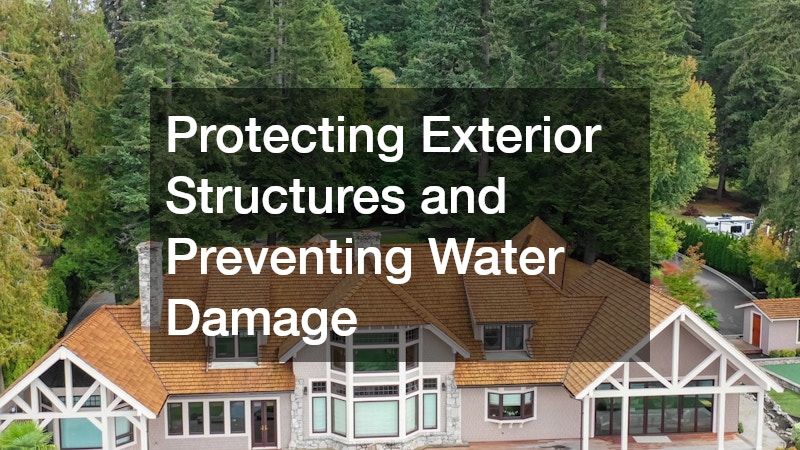
Water damage is one of the fastest ways to erode the value of a home, and exterior drainage plays a major role in preventing it. Gutters channel stormwater away from the roof, siding, and foundation. When they clog or pull away from the home, water can pool around critical structural areas.
Gutter repair should be done whenever sagging, leaking, or overflowing occurs. Ensuring proper alignment and downspout placement helps keep water flowing away from the property, reducing risks of erosion, basement flooding, and siding deterioration.
Water quality also affects long-term home preservation. Hard water can cause buildup in pipes, appliances, and fixtures, leading to repeated repairs or early replacement. Scheduling a periodic water softener service prevents scale accumulation and extends the lifespan of plumbing components, water heaters, and household appliances.
Preventive steps include:
- Cleaning gutters at least twice a year
- Ensuring downspouts drain at least 6 feet away from the home
- Inspecting fascia boards for moisture damage
- Testing water hardness annually
Protecting the home from water—both outside and inside—preserves structural integrity and reduces long-term repair costs.
Improving Indoor Comfort and System Efficiency Through Smart Servicing
Efficiency plays a major role in long-term home value. Buyers and homeowners both prioritize energy savings, reliable climate control, and smooth system performance. Heating and cooling systems that run inefficiently force other home systems to work harder, increasing wear and energy use.
Professional servicing through reputable AC contractors or HVAC services ensures each component of the climate control system is functioning properly. Technicians can diagnose issues such as restricted airflow, duct leaks, malfunctioning thermostats, and inefficient compressors.
Strategies to boost system performance include:
- Sealing and insulating ductwork
- Upgrading thermostats to smart models
- Inspecting coolant levels and electrical connections
- Ensuring adequate home ventilation
A well-maintained HVAC system supports consistent temperatures throughout the home, reduces operating costs, and contributes to higher resale appeal.
Safeguarding Plumbing Systems to Prevent Structural Issues
Plumbing systems influence nearly every aspect of home comfort and long-term value. Hidden leaks, pipe corrosion, and pressure irregularities can lead to major structural damage if not addressed early. Water intrusion from faulty plumbing can affect flooring, drywall, insulation, and even electrical systems.
Scheduling inspections with local plumbing companies helps homeowners identify developing issues before they escalate. Technicians can locate slow leaks, check water pressure, evaluate pipe materials, and assess drainage performance.
Another preventive tool is water treatment. As minerals accumulate in pipes, they reduce flow and cause stress on plumbing infrastructure. A routine water softener service helps prevent buildup and supports the long-term health of the system.
Key maintenance practices:
- Inspecting under sinks and around toilets for moisture
- Monitoring water pressure for sudden fluctuations
- Flushing water heaters annually
- Checking for corrosion on visible pipes
Healthy plumbing prevents costly water damage and supports overall home value.
Enhancing Energy Efficiency Throughout the Home
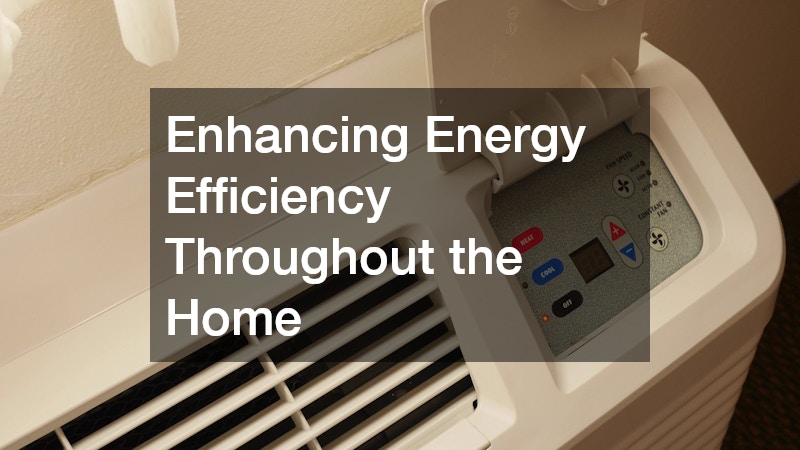
Energy efficiency is a major driver of long-term home value. Homes with low utility costs and modern climate systems are more appealing to buyers and more comfortable for residents. Many improvements offer long-term returns by reducing monthly operating expenses.
Working with HVAC companies or qualified AC contractors allows homeowners to identify inefficiencies that might otherwise go unnoticed. Technicians can perform energy audits, measure duct leakage, and recommend upgrades tailored to the home. These assessments often uncover opportunities such as sealing air gaps, improving insulation, optimizing thermostat settings, or replacing outdated equipment with high-efficiency alternatives. Even small enhancements—like upgrading filters, improving ventilation pathways, or adjusting airflow—can result in noticeable savings. Over time, these strategic upgrades help stabilize energy usage, improve indoor comfort, and strengthen the home’s overall performance.
Effective efficiency strategies include:
- Sealing gaps around windows and doors
- Adding insulation to the attic, walls, and crawl spaces
- Replacing outdated equipment with high-efficiency models
- Installing programmable or smart thermostats
These upgrades minimize wasted energy, reduce wear on heating and cooling equipment, and enhance year-round comfort.
Maintaining Exterior Surfaces to Preserve Curb Appeal
Exterior surfaces constantly face sun exposure, moisture, and physical wear. Without consistent upkeep, paint peels, siding warps, surfaces discolor, and structures weaken. Curb appeal plays a significant role in home value, and small improvements can make a major impact.
Tasks such as pressure washing, repainting, sealing gaps, or repairing damaged siding help preserve both appearance and structural soundness. Ensuring moisture does not penetrate the exterior envelope prevents long-term deterioration.
Maintaining gutters and roof components also helps protect exterior surfaces. For instance, unresolved gutter repair or delays in roof repair can cause overflow, staining, and wood rot around the home.
Exterior preservation strategies include:
- Repainting every 5–10 years, depending on the climate
- Washing mildew-prone areas regularly
- Inspecting siding for cracks or bubbling
- Sealing exterior trim to prevent moisture penetration
These steps ensure the home remains visually appealing and structurally sound.
Protecting Interior Features and Materials From Long-Term Wear
Interior finishes such as flooring, trim, and paint can deteriorate when indoor environments fluctuate or when mechanical systems fail. Humidity, poor ventilation, and unexpected leaks all contribute to interior deterioration.
Reliable heating plays a major role in protecting these materials. Scheduling periodic furnace repair ensures consistent temperature control during colder months, preventing swelling, cracking, and moisture buildup inside the home.
Plumbing issues have significant effects on interior features as well. Even small leaks can damage cabinetry, drywall, and flooring. Working with local plumbing companies for preventive inspections helps ensure major interior materials remain in excellent condition.
Helpful interior care strategies include:
- Managing humidity with proper ventilation
- Maintaining consistent indoor temperatures
- Inspecting walls and ceilings for early signs of leaks
- Repainting or resealing high-use areas
By protecting interior materials, homeowners retain both function and aesthetics over time.
Building a Long-Term Maintenance Schedule That Adds Equity
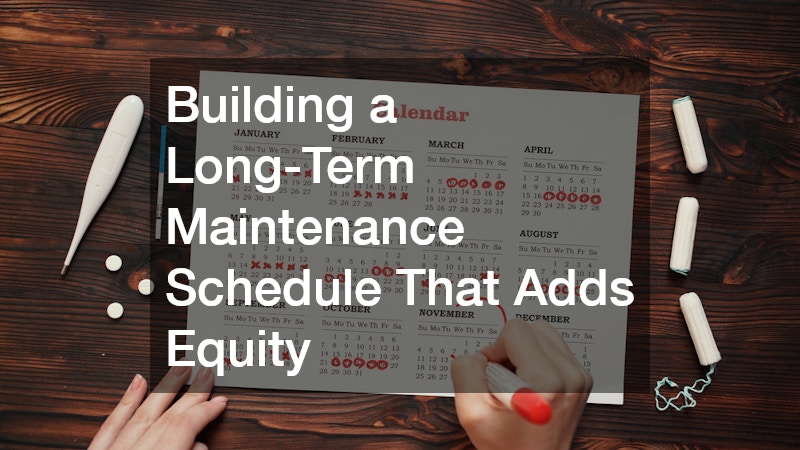
A long-term maintenance plan is one of the strongest tools for preserving home value. Many homeowners react only when something breaks, but this leads to higher costs and faster deterioration. A structured schedule spreads out tasks and expenses, ensuring no system is overlooked.
A thorough plan includes annual, seasonal, and monthly tasks—each designed to support the home’s long-term performance. Scheduling professional HVAC services at consistent intervals ensures heating and cooling systems remain efficient. Similarly, routine AC repair evaluations before summer prevent unexpected failures.
A strong maintenance calendar should:
- Outline tasks by season
- Include professional visits and DIY checks
- Track system age and warranty details
- Budget for future replacements in advance
Homes with well-documented maintenance histories often command higher resale prices because they demonstrate consistent care.
Preserving long-term home value requires a blend of preventive care, strategic planning, and professional expertise. Homes that receive consistent attention experience fewer breakdowns, lower repair costs, and improved daily comfort. By addressing crucial systems—from heating and cooling to plumbing, roofing, drainage, and interior finishes—homeowners can ensure that every part of the property remains structurally sound and visually appealing.
Routine inspections and professional servicing reduce the likelihood of emergencies and extend the lifespan of essential components. Coordinating these services throughout the year prevents scheduling conflicts, minimizes disruptions, and creates a predictable maintenance rhythm. Homeowners who actively track system performance and plan improvements in advance are better equipped to manage unexpected issues and protect their investment.
A well-maintained home not only delivers financial benefits but also enhances quality of life. Reliable heating and cooling systems support comfort, healthy plumbing prevents water damage, and strong roofing shields against the elements. Every part of the home works together to create a safe, efficient, and welcoming environment.
By taking a proactive approach, partnering with trusted experts, and focusing on long-term upkeep, homeowners ensure their property remains valuable, durable, and ready to support future needs. The result is a home that stands the test of time—providing lasting satisfaction, stability, and peace of mind. Moreover, a thoughtful maintenance strategy helps homeowners stay ahead of evolving building standards, energy-efficiency expectations, and wear-and-tear patterns that develop as families grow and lifestyles change. This ongoing attention not only boosts resale potential but also ensures the home continues to function as a dependable foundation for everyday living.