Owning a home is one of the most significant investments most individuals make in their lifetime. Beyond the emotional satisfaction of having a space to call your own, a property serves as a major financial asset that requires continuous attention, care, and strategic upgrades. Over time, exposure to environmental elements, daily wear and tear, and natural structural aging can erode both the aesthetic charm and the foundational integrity of a house. Without a proactive maintenance strategy, minor maintenance gaps can quickly transform into costly emergency repairs that drain your finances and diminish property value.
Achieving a healthy balance between visual appeal and functional defense is the key to successful property management. Curb appeal attracts admiration and protects resale value, while protective upgrades fortify your home against storms, energy loss, structural deterioration, and pest intrusions. By treating home maintenance as a comprehensive, multi-faceted system—combining interior refinements with exterior reinforcements—you can ensure your residence remains safe, energy-efficient, and visually captivating for decades to come. This guide explores ten essential upgrades and maintenance services that every homeowner should prioritize to protect their castle from the ground up.
1. Streamlining Property Transitions and Relocation Management

Transitioning into a new home or undertaking major property restructuring often marks the beginning of a property’s long-term maintenance journey. Moving is widely recognized as one of life’s most stressful events, involving intricate logistics, heavy lifting, and the careful transport of valuable household items. How you handle the initial move-in process sets the tone for your home’s structural care, as improper handling during move-in day can easily scratch hardwood floors, gouge drywall, or damage exterior entryways.
When managing significant household transitions, partnering with reputable local moving companies ensures that your furniture, personal possessions, and fragile items are transported safely without damaging the property’s architectural finish. Professional movers bring specialized equipment, custom padding, and trained personnel who understand how to navigate tight hallways, staircases, and delicate doorways without leaving unsightly scuffs or structural dents behind.
Key advantages of professional relocation support include:
- Property Shielding: Professional crews install floor runners, door jamb protectors, and stair padding to prevent property damage during heavy loading and unloading.
- Risk Mitigation: Heavy lifting carried out by experienced handlers drastically reduces personal injury risks and liability during a physically demanding move.
- Time Efficiency: Organized loading strategies allow homeowners to settle into their new space faster, freeing up time to inspect key home systems and schedule immediate utility or safety audits.
Establishing a seamless relocation strategy allows you to turn your focus toward long-term home upkeep immediately upon arrival, establishing a clean, damage-free foundation from day one.
2. Fortifying the Building Envelope Against Extreme Weather
The exterior envelope of your home is its primary shield against severe weather events, driving rain, high winds, and heat transfer. Among all exterior components, windows represent both a critical structural vulnerability and a major factor in home energy efficiency. Upgrading aged, single-pane glass to modern impact-rated window systems fundamentally transforms a property’s safety profile and interior comfort.
In coastal and storm-prone regions, installing high-performance hurricane proof windows offers unmatched defense against flying debris, extreme pressure changes, and moisture intrusion during severe storms. These specialized windows feature multi-layered laminated glass bonded with resilient interlayers, anchored in reinforced frames designed to withstand intense wind loads without shattering.
Long-term benefits of impact-resistant window upgrades:
- Structural Integrity: Prevents rapid atmospheric pressure spikes inside the home caused by window blowout, which is a leading cause of roof detachment during major storms.
- Energy Savings: Advanced low-emissivity coatings and multi-pane insulating gas fills reduce solar heat gain, lowering air conditioning expenses during warm months.
- Noise Reduction: Heavy laminated glass dampens outside sound pollution, creating a significantly quieter and more tranquil indoor environment.
- Enhanced Security: Impact-resistant layers make forced entry extremely difficult for potential intruders, providing year-round security benefits.
Upgrading your building envelope safeguards your family during hazardous weather while yielding immediate returns in reduced utility bills and lower property insurance premiums.
3. Optimizing Entryways and Overhead Door Systems

Overhead garage doors represent the largest moving mechanical component of most residential properties. Functionally, a garage door serves as a major security barrier and climate boundary; aesthetically, it commands up to thirty percent of a home’s front facade. A noisy, outdated, or misaligned garage door hurts curb appeal while presenting serious safety and security risks.
Over time, heavy torsion springs, lifting cables, and track rollers experience mechanical fatigue. Enlisting specialized garage door companies to perform routine inspections, balance tests, and component upgrades ensures your system operates smoothly, quietly, and reliably.
Essential garage door care practices:
- Safety Sensor Calibration: Testing infrared reverse mechanisms monthly to ensure automatic doors halt immediately if children or pets enter the path of motion.
- Weather-Seal Replacement: Installing durable bottom seals and perimeter weatherstripping to block driving rain, dust, and pest entry.
- Insulation Upgrades: Choosing insulated steel or composite door panels to stabilize thermal conditions inside attached garages, protecting adjacent living areas from heat transfer.
Maintaining an attractive, smoothly operating garage door enhances neighborhood curb appeal while protecting vehicles, stored equipment, and home access points.
4. Fireplace Safety Audits and Flue Maintenance
A wood-burning fireplace or stove provides cozy warmth and timeless architectural charm, serving as a natural gathering point during cooler months. However, the combustion of wood produces dangerous byproducts—including flammable creosote, soot, and toxic gases—that accumulate inside the flue lining over time.
To maintain safe operation, hiring a certified chimney cleaner at least once a year is critical before lighting the season’s first fire. Professional sweeping removes highly combustible creosote deposits from flue walls while clearing out debris, bird nests, or animal obstructions that could trap deadly carbon monoxide inside your home.
Crucial elements of comprehensive fireplace inspection:
- Flue Liner Integrity: Checking for cracked clay tiles or deteriorating stainless steel liners that could allow heat and sparks to reach surrounding wooden wall framing.
- Damper Functionality: Ensuring the draft control opens and seals tightly to optimize burn efficiency and prevent heated room air from escaping up the stack when not in use.
- Cap and Crown Repair: Inspecting exterior masonry caps and spark arrestors to keep rainwater and wildlife out of the chimney structure.
Routine maintenance preserves your fireplace as a safe, efficient heating source while shielding your home from devastating structural chimney fires.
5. Elevating Interior Culinary Spaces with Durable Surfaces
The kitchen is widely regarded as the heart of the home, acting as both a functional workspace for meal preparation and a primary hub for social gatherings. Because kitchen surfaces undergo intense daily wear from hot cookware, spills, sharp tools, and constant cleaning, choosing high-performance materials is essential for maintaining both beauty and function.
Selecting premium kitchen countertops elevates the visual appeal of your home while providing a durable surface capable of handling daily kitchen activity.
For homeowners seeking timeless elegance and luxury, installing marble countertops introduces unique natural veining and a smooth, cool surface that remains highly prized in culinary design. While natural marble requires periodic sealing to guard against acidic liquid staining, its distinctive beauty and heat-retaining properties make it a standout feature that adds real value to your kitchen.
Key maintenance strategies for natural stone surfaces:
- Routine Sealing: Applying high-grade impregnating sealers annually to prevent porous stone from absorbing oils, wine, or citrus juices.
- pH-Neutral Cleaning: Avoiding harsh bleach or acidic cleaners that etch polished surfaces, opting instead for gentle stone cleaners.
- Protective Habits: Using cutting boards and trivets to protect surfaces from scratches and sudden thermal shock.
Investing in high-quality kitchen surfaces transforms your interior space, delivering daily practical benefits while maximizing buyer appeal during future resale.
6. Managing Perimeter Nuisance Pests and Foraging Insects
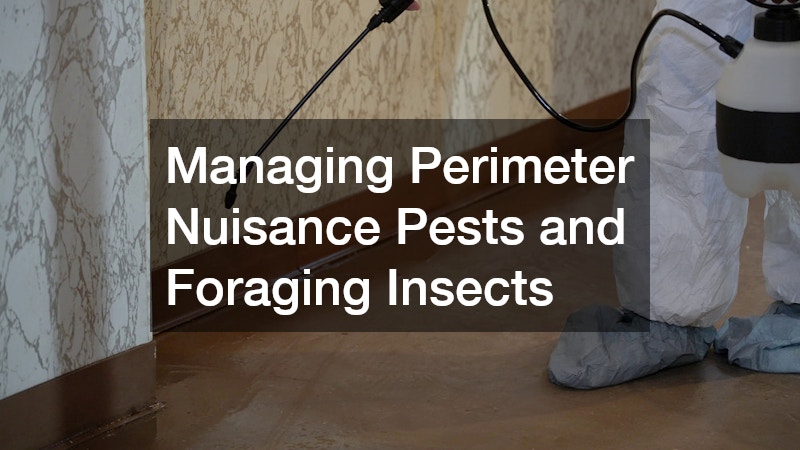
Keeping your home’s interior pristine requires an active defense against tiny invaders that seek food, water, and shelter within your living spaces. Small crawling insects can quickly form extensive foraging trails across foundation walls, entering kitchen cabinets, pantries, and electrical outlets through invisible cracks in your home’s exterior shell.
Implementing an aggressive strategy for ant control involves identifying entry points, eliminating moisture sources near the foundation, and removing scented attractants from kitchen counters. Simple steps like trimming tree branches that touch your roofline prevent insects from using limbs as bridges to bypass treated ground soil.
Effective home habits for stopping crawling insects:
- Seal Exterior Gaps: Fill foundation cracks, window frame gaps, and utility pipe penetrations with silicone caulk or expandable foam.
- Manage Food Sources: Store dry goods, sugar, and pet food in airtight glass or thick plastic containers to prevent scents from attracting pests.
- Control Moisture: Repair leaking hose bibs, maintain proper gutter drainage away from walls, and keep crawl spaces well-ventilated to remove excess moisture.
Proactive perimeter management stops foraging insects at the property line before established colonies can take hold inside your living space.
7. Eradicating Deep-Seated Household Infestations
While seasonal outdoor insects are a minor nuisance, certain indoor pests pose severe health hazards and structural risks if left unaddressed. Cockroaches are among the most resilient household pests, known to carry bacteria, ruin stored food products, and trigger asthma or respiratory allergies through shedding skins and droppings.
Executing a successful plan for cockroach control demands a thorough, multi-step approach rather than relying on temporary retail sprays. Because these pests thrive in warm, dark, and humid environments, treatment strategies must target hidden nesting zones behind wall cavities, under heavy appliances, and inside plumbing chases.
Comprehensive eradication steps include:
- Targeted Baits and Growth Regulators: Utilizing professional-grade gel baits and insect growth regulators to disrupt reproductive cycles throughout the entire colony.
- Sanitation Rigor: Eliminating standing water in sink basins, wiping away grease films near stoves, and removing indoor trash daily.
- Eliminating Harborages: Clearing away excess cardboard boxes, paper bags, and clutter where pests hide and breed.
Eliminating persistent infestations protects your family’s health, preserves food sanitation, and restores peace of mind throughout your home.
8. Establishing Year-Round Defense with Professional Pest Services
While DIY pest prevention habits are helpful, severe or persistent pest pressures often require specialized knowledge, commercial-grade equipment, and tailored application methods. Partnering with certified pest management professionals provides a continuous safety net that keeps your property protected throughout shifting seasons.
Working with reputable local pest control companies ensures that your treatment plan is designed around the specific pest species, climate patterns, and architectural styles common to your geographic area. Local technicians understand seasonal pest behaviors and can identify subtle signs of activity before infestations cause visible damage or health concerns.
Investing in ongoing pest control services gives homeowners access to scheduled perimeter treatments, automated inspections, and specialized solutions for challenging pests like termites, rodents, and stinging insects. Continuous care forms an invisible protective barrier around your property, saving you money on damage repairs and extensive extermination efforts over time.
What to look for in a professional pest service:
- Integrated Pest Management (IPM): Protocols that prioritize inspection, exclusion, and non-chemical controls alongside targeted treatments.
- Transparent Service Plans: Regular reports detailing active pest trends, structural vulnerabilities, and customized preventive advice.
- Warranty Guarantees: Clear policies offering free follow-up treatments if targeted pests reappear between scheduled visits.
Outsourcing pest defense to experienced specialists guarantees long-term protection for your family, your structure, and your property value.
9. Foundation Drainage, Landscaping, and Water Diversion

Water is arguably a home’s most destructive natural enemy. Poor drainage allows water to pool near foundation walls, leading to concrete cracking, basement flooding, wood rot, and soil instability. Establishing effective water management systems around your property protects your foundation while keeping your landscaping healthy and attractive.
Essential steps for effective water diversion:
- Gutter and Downspout Care: Clean gutters twice a year to prevent overflow, and extend downspout discharge pipes at least five feet away from foundation walls.
- Sump Pump Systems: Install reliable sump pumps equipped with battery backups in low-lying basements or crawl spaces vulnerable to high water tables.
- Swales and French Drains: Shape lawn grading so ground surfaces slope away from the house at a rate of six inches over the first ten feet, installing French drains in low areas to channel excess runoff away.
Proper grading and drainage systems prevent costly structural foundation repairs, keep crawl spaces dry, and protect exterior landscaping investment.
10. Preventive Annual Inspections and Home Maintenance Schedules
The final pillar of complete property care is a disciplined preventive maintenance schedule. Rather than waiting for systems to fail, conducting structured quarterly and annual home inspections allows you to identify minor wear, loose components, or hidden leaks early—saving thousands of dollars in emergency service calls.
Recommended annual maintenance checklist:
- HVAC Servicing: Replace air filters quarterly, clean condenser coils annually, and schedule professional spring and fall system tune-ups to keep efficiency high and extend compressor lifespan.
- Roof Audits: Inspect shingles, flashing seals, and vent boots for sun degradation, storm damage, or lifting after high-wind events.
- Plumbing Pressure Checks: Inspect water heater relief valves, flexible appliance supply hoses, and outdoor bibbs for slow leaks or corrosion signs.
- Electrical Panel Audits: Ensure breakers are operating properly, ground-fault circuit interrupters function as intended, and service capacity meets modern electrical demands safely.
Adopting a systematic preventive routine protects your home’s structural components, keeps operating efficiency high, and ensures long-term comfort and security.
Protecting your home is an ongoing commitment that rewards you with safety, comfort, and financial growth over time. By balancing high-impact structural upgrades—such as storm-resistant windows, secure overhead doors, and elegant stone countertops—with dedicated maintenance routines for fireplaces, drainage, and pest defense, you build a resilient home environment. Taking a proactive approach allows you to address vulnerabilities before they escalate into costly repairs, preserving curb appeal and protecting your asset for years to come.