Key Takeaways
- Structural integrity has the biggest impact on property value because buyers prioritize safety and long-term stability over cosmetic updates. Even hidden issues like foundation movement or roof deterioration can significantly reduce offers.
- Major home systems such as electrical, plumbing, and HVAC play a critical role in valuation since outdated systems signal future repair costs and lower buyer confidence.
- First impressions matter heavily, and exterior condition—including roofing, siding, landscaping, and entryway appeal—can strongly influence how buyers perceive overall home quality.
- Kitchen and bathroom improvements remain top-performing renovations because they combine functionality with emotional appeal, making homes more attractive and competitive in the market.
- Energy efficiency upgrades like insulation, modern windows, and smart systems are increasingly important as buyers factor in long-term utility costs when evaluating properties.
- Poor renovation choices such as over-customization, low-quality materials, or unpermitted work can negatively affect resale value and limit buyer interest.
- Strategic, well-sequenced upgrades that prioritize essential repairs before aesthetic changes lead to stronger returns and a more market-ready property.
When homeowners think about improving their property, the focus is often on aesthetics—fresh paint, modern finishes, or trendy design updates. Contractors, however, approach the same property with a different lens. They look beneath the surface at structure, systems, durability, and long-term performance.
This difference matters because the upgrades that look impressive are not always the ones that actually matter when it comes to resale value or appraisal results. A home can look beautiful on the surface, but still underperform in the market if key fundamentals are ignored.
Contractors evaluate homes the way inspectors and buyers do: they assess risk, longevity, and functionality. They know which improvements prevent expensive problems later and which upgrades simply add cosmetic appeal. Understanding this perspective helps homeowners make smarter renovation decisions that deliver measurable financial returns.
This guide breaks down a contractor-style checklist that shows which areas of a home truly influence value and why certain improvements consistently outperform others.
Why Do Some Homes Sell for Much More Than Others?
When two homes appear similar on paper—same number of bedrooms, similar square footage, and located in the same neighborhood—their selling prices can still differ dramatically. Contractors and real estate professionals often explain this gap through “invisible value factors” that buyers notice even if they cannot articulate them clearly.
One of the biggest drivers is perceived risk. Buyers instinctively assess how much money they might need to spend after purchasing the home. If a property feels like it has “hidden problems,” even minor ones, buyers will reduce their offer to compensate for that uncertainty.
The hidden factors that influence pricing
- Deferred maintenance: Small issues like peeling paint or aging fixtures suggest larger neglected problems.
- System age: Older HVAC systems or roofs reduce buyer confidence, even if they still function.
- Inspection risk: Homes with potential red flags often receive lower appraisal values.
- Move-in readiness: Buyers pay more for homes that require little to no immediate work.
Contractors often emphasize that value is not just about what is visible—it’s about what is avoided. A home that eliminates future expenses feels more valuable than one that simply looks updated.
In many cases, strategic improvements done in advance can significantly increase buyer competition, leading to higher offers and faster sales.
What Do Contractors Inspect First in a Home?
Contractors approach a home evaluation systematically, focusing first on areas that could affect safety, structural integrity, and long-term durability. These initial observations determine whether a property is considered “low risk” or “high risk” from an investment standpoint.
Structural integrity comes first
Before anything else, contractors examine whether the home is structurally sound. This includes:
- Checking for foundation cracks or uneven settling
- Identifying signs of shifting walls or ceilings
- Looking for water damage near load-bearing areas
Even subtle signs of structural movement can signal expensive repairs, which immediately affect market value.
Roofing and exterior envelope
The roof is essentially the home’s protective shield. Contractors assess:
- Age and remaining lifespan
- Missing or damaged shingles
- Signs of leakage or moisture intrusion
- Condition of gutters and drainage systems
A roof nearing the end of its lifespan is one of the fastest ways to lower perceived value because buyers anticipate a major upcoming expense.
Mechanical systems evaluation
Next, contractors evaluate internal systems:
- Electrical panels for safety compliance and capacity
- Plumbing systems for leaks, corrosion, or outdated materials
- HVAC systems for efficiency and maintenance history
Homes with modern, well-maintained systems are far more attractive because they reduce future financial uncertainty.
Which Structural Improvements Matter Most?
Structural improvements are often the least glamorous but most financially impactful upgrades in a home. Contractors consistently prioritize these because they directly affect safety, longevity, and insurability.
Foundation stabilization and repair
Foundation issues are among the most serious concerns in real estate. Even small cracks can raise concerns about long-term stability. Contractors may recommend:
- Epoxy injections for minor cracks
- Piering systems for settling foundations
- Drainage corrections to prevent future movement
Addressing foundation issues early prevents compounding damage to walls, floors, and structural framing.
Roof replacement vs. repair decisions
A common contractor insight is knowing when not to repair a roof. If a roof is within the last 10–15% of its lifespan, replacement often provides a better chance to increase home value than repeated patchwork.
A new roof:
- Improves inspection outcomes
- Increases buyer confidence
- Enhances energy efficiency
- Reduces negotiation leverage for buyers
Moisture control and waterproofing systems
Water damage is one of the most expensive long-term issues in homes. Contractors often install or recommend:
- French drains
- Sump pump systems
- Exterior grading improvements
- Basement waterproof coatings
Proper moisture control protects everything above it, making it one of the smartest investments in home longevity.
How Do Exterior Improvements Influence Buyer Perception?
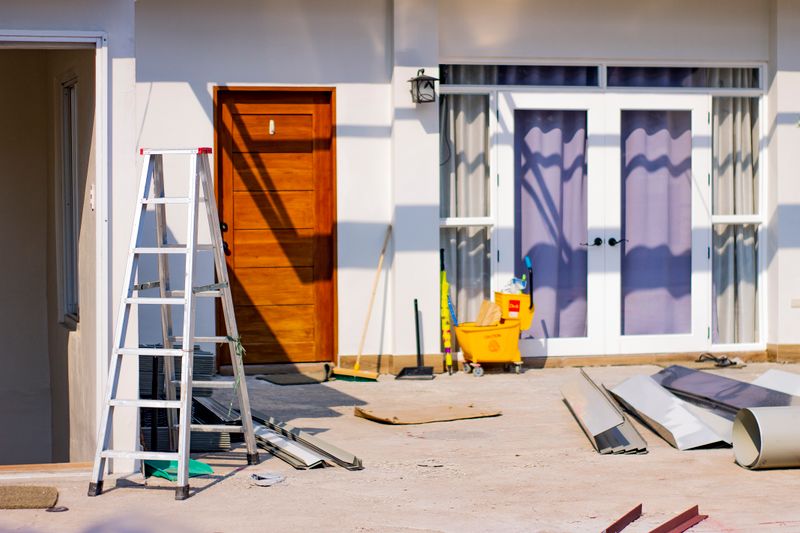
Exterior improvements are critical because they shape the buyer’s first emotional response. Contractors often say, “If the outside feels neglected, buyers assume the inside is too.”
The psychology of curb appeal
Buyers form opinions within seconds of seeing a home. A well-maintained exterior signals:
- Pride of ownership
- Lower risk of hidden issues
- Higher perceived value
This emotional reaction can influence even rational financial decisions.
Key exterior improvements that matter
- Roof aesthetics: Clean, uniform roofing improves visual trust.
- Paint and siding condition: Fresh finishes modernize older homes instantly.
- Windows and trim alignment: Clean, uniform lines signal good maintenance.
- Driveway condition: Cracks or stains can negatively impact first impressions.
Small upgrades with big impact
Even minor updates can dramatically shift perception:
- Repainting the front door
- Adding modern house numbers
- Installing exterior lighting
- Power washing siding and walkways
These low-cost improvements often deliver a surprisingly strong return when preparing a home for sale.
Why are Interior Systems Just as Important as Design?
While interior design trends attract attention, contractors emphasize that systems determine long-term value. A stylish home with outdated systems can quickly become a financial burden.
Electrical system capacity and safety
Modern households rely heavily on electronics and appliances. Contractors often find that older homes lack:
- Sufficient electrical panel capacity
- Grounded outlets in key areas
- Safe wiring insulation
Upgrading electrical systems reduces safety risks and supports modern living needs.
Plumbing reliability
Outdated plumbing systems, especially those using galvanized steel or older materials, can cause:
- Reduced water pressure
- Hidden leaks behind walls
- Increased risk of water damage
Replacing or upgrading plumbing ensures long-term reliability and reduces emergency repair costs.
HVAC efficiency and performance
A well-functioning HVAC system is essential for comfort. Contractors evaluate:
- System age and expected lifespan
- Seasonal efficiency ratings
- Ductwork condition
Efficient systems not only improve comfort but also reduce monthly utility expenses.
Insulation and airflow balance
Proper insulation ensures consistent indoor temperatures and reduces strain on HVAC systems. Contractors often upgrade:
- Attic insulation
- Wall insulation
- Crawl space sealing
This creates a more energy-efficient and comfortable home environment.
What Interior Features Do Buyers Value Most?
Inside the home, buyers prioritize comfort, usability, and flexibility. Contractors focus on improvements that enhance daily living rather than just visual appeal.
Layout flow and space usability
Homes with efficient layouts feel larger and more functional. Contractors often recommend:
- Removing non-structural walls
- Expanding kitchen and living spaces
- Improving traffic flow between rooms
Open, flexible layouts remain highly desirable in modern housing markets.
Flooring durability and consistency
Flooring plays a major role in perceived quality. Contractors suggest:
- Replacing worn carpets with hard surfaces
- Using consistent flooring throughout open areas
- Choosing durable materials for high-traffic zones
Consistency in flooring also helps unify the home visually.
Lighting design and natural brightness
Lighting dramatically affects how a home feels. Contractors often install:
- Recessed ceiling lighting
- Under-cabinet kitchen lighting
- Larger or repositioned windows
Well-lit homes feel more spacious and welcoming.
Storage optimization
Storage is a major decision factor for buyers. Contractors improve this through:
- Built-in shelving systems
- Walk-in closet organization
- Pantry expansions
Efficient storage solutions make homes feel more functional without increasing square footage.
Are Kitchen and Bathroom Renovations Still Worth It?
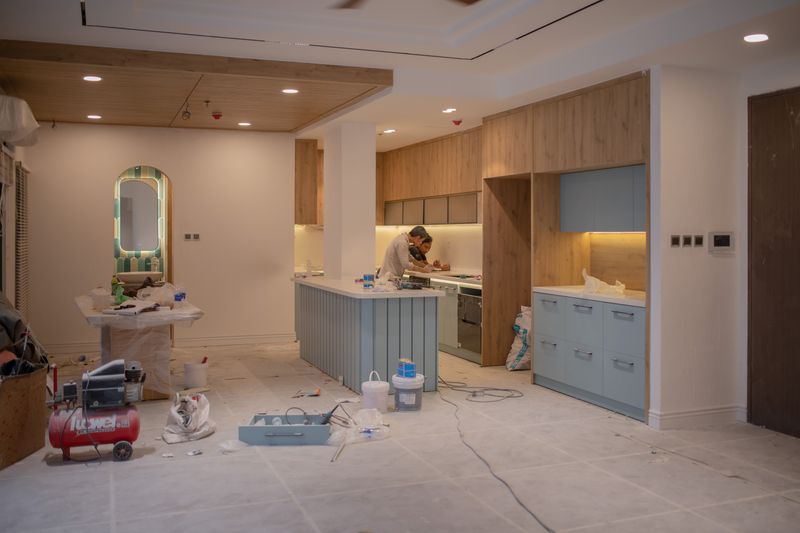
Kitchen and bathroom upgrades remain some of the strongest contributors to property value because they combine practicality with emotional appeal.
Kitchen transformation priorities
Contractors focus on:
- Workflow efficiency between sink, stove, and refrigerator
- Durable countertop materials
- Cabinet storage optimization
- Energy-efficient appliances
A well-designed kitchen often becomes the centerpiece of the home.
Bathroom modernization strategies
Buyers look for clean, functional, spa-like spaces. Contractors typically recommend:
- Walk-in showers with glass enclosures
- Water-saving fixtures
- Updated tile and waterproofing systems
- Proper ventilation to prevent mold
These upgrades significantly improve both comfort and resale appeal.
How Do Energy Efficiency Upgrades Affect Property Value?
Energy efficiency is increasingly important for modern homeowners. Contractors see a growing demand for homes that reduce monthly utility costs.
Insulation improvements
Better insulation reduces heating and cooling loss, improving comfort and efficiency.
Window replacements
Double- or triple-pane windows significantly reduce energy consumption and noise pollution.
Smart thermostats
These systems allow homeowners to control energy usage more effectively.
Solar energy systems
While not always necessary, solar panels can appeal to eco-conscious buyers and reduce long-term costs.
What Role Does Curb Appeal Play in Valuation?
Curb appeal is often underestimated, but contractors know it can influence buyer decisions within seconds.
Landscaping improvements
Well-maintained lawns, trimmed hedges, and clean garden beds make a strong visual impact.
Exterior lighting
Lighting enhances safety and highlights architectural features at night.
Entryway upgrades
A new front door, fresh paint, or updated hardware can make the home feel more inviting.
Clean and maintained surroundings
Even small details like pressure washing exterior surfaces can elevate perceived value.
What Mistakes Reduce Home Value During Renovations?
Not all renovations add value. Some can actually reduce buyer interest or limit return on investment.
Over-customization
Highly personalized design choices may not appeal to future buyers.
Ignoring structural issues
Cosmetic upgrades cannot compensate for underlying problems.
Poor quality materials
Cheap finishes may wear quickly and create maintenance concerns.
Unpermitted work
Unauthorized renovations can create legal and appraisal complications.
Over-improving the neighborhood standard
Spending far beyond surrounding property values rarely yields proportional returns.
Why Timing and Planning Matter in Renovations
Contractors emphasize that sequencing matters as much as the upgrades themselves. Structural and system improvements should always come before cosmetic updates.
Proper planning also helps homeowners avoid redundant work, such as repainting walls that later need electrical rewiring.
Key planning considerations include:
- Budget allocation for high-priority repairs
- Contractor scheduling and availability
- Material lead times
- Inspection requirements
- Long-term maintenance expectations
Pre-Sale Preparation That Contractors Recommend
Before listing a home, contractors often recommend a final walkthrough checklist to ensure everything is in optimal condition.
Minor repairs
Fix leaky faucets, squeaky doors, and broken fixtures.
Deep cleaning
A clean home feels newer and more maintained.
Neutral presentation
Neutral colors and simple décor help buyers visualize the space.
System servicing
Ensure HVAC systems, plumbing, and electrical systems are fully functional.
Safety checks
Test smoke detectors, carbon monoxide detectors, and exterior lighting.
Contractor’s Final Checklist for Homeowners
Here is a simplified contractor-style checklist for prioritizing upgrades:
- Inspect the foundation and address any structural concerns first
- Evaluate roof condition and repair or replace if necessary
- Upgrade outdated electrical and plumbing systems
- Improve HVAC efficiency and servicing
- Enhance insulation and energy performance
- Focus on kitchen and bathroom modernization
- Improve flooring, lighting, and storage solutions
- Boost curb appeal through landscaping and exterior updates
- Avoid over-customized or overly niche design choices
- Ensure all renovations are properly permitted and inspected
This structured approach ensures that every improvement contributes meaningfully to long-term property performance and market readiness.
Conclusion: Building Value Through Smart, Not Excessive, Improvements
Increasing a home’s value is not about completing the most expensive renovations or following every design trend. It is about making strategic improvements that align with how buyers, inspectors, and contractors evaluate a property.
When structural integrity, system reliability, energy efficiency, and thoughtful design work together, the result is a home that performs well in both livability and market value. Homeowners who follow a contractor’s mindset avoid unnecessary expenses and focus instead on upgrades that create a lasting impact.
A well-planned renovation strategy ensures that every improvement contributes to a stronger, more competitive, and more valuable property over time.